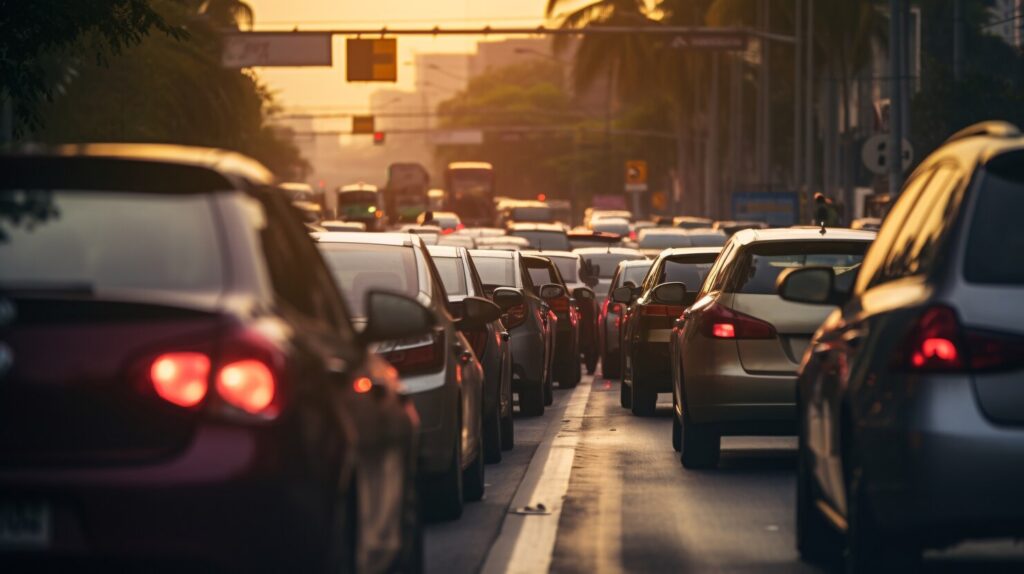
Whether you’re commuting to work, running errands, or heading out for a weekend adventure, driving safe or navigating busy traffic can be challenging — and sometimes dangerous. Every year in the United States, tens of thousands of people lose their lives on the roads, and pedestrians remain among the most vulnerable. According to the National Highway Traffic Safety Administration (NHTSA), more than 7,300 pedestrians were killed in traffic collisions in 2023, with a pedestrian fatality occurring about every 72 minutes.
Safety is a shared responsibility. Drivers, cyclists, and pedestrians alike need to understand the rules of the road and adopt habits that reduce risk. This guide breaks down essential safe driving tips in traffic, followed by pedestrian safety strategies that everyone should know.
Why Driving Safe Matters
Safe driving isn’t just about following laws — it’s about protecting lives. Roadway crashes remain a persistent public safety issue. In 2023, nearly 40,000 people were killed in traffic crashes in the U.S., even as death rates showed slight declines compared to the previous year.
Despite improvements in vehicle safety technology, distracted driving, speeding, and pedestrian collisions continue to drive high fatality numbers. These figures aren’t just numbers — each represents families and communities affected by avoidable tragedies.
Understanding Traffic Risk Factors
To stay safe in traffic, it helps to know what makes driving dangerous. Some common factors that contribute to traffic crashes include:
-
Speeding: Higher speeds reduce reaction time and increase crash severity.
-
Distracted Driving: Phones, navigation systems, eating, and in-car conversations take attention away from the road.
-
Impaired Driving: Alcohol, drugs, or fatigue impair judgment and reaction times.
-
Poor Weather Conditions: Rain, fog, snow, and glare can reduce visibility and traction.
-
Pedestrian and Cyclist Conflicts: Pedestrians are vulnerable, especially where crosswalks are unclear or visibility is low.
According to the Centers for Disease Control and Prevention (CDC), more than 8,000 pedestrians were killed on U.S. roads in 2022, and 140,000 were treated in emergency departments for non-fatal injuries.
These risks highlight why both drivers and pedestrians must remain vigilant.
Top Tips for Driving Safe in Traffic
Whether you’re a new driver or a seasoned motorist, adopting safe habits can drastically reduce your risk. Below are proven strategies to help you navigate traffic safely.
Stay Focused — Minimize Distractions
Keep your eyes on the road and your hands on the wheel. Avoid:
-
Texting or using apps while driving
-
Adjusting audio or entertainment systems while moving
-
Eating or drinking behind the wheel
Distractions reduce reaction time and are a leading cause of collisions.
Obey the Speed Limit
Driving at posted speed limits gives you more time to react to sudden stops, merging traffic, and pedestrians. Never exceed speeds that are unsafe for current road conditions.
Keep a Safe Following Distance
Tailgating is dangerous — give yourself space. A good rule of thumb is the “3-second rule”: pick a fixed object on the road ahead, and count at least three seconds after the car in front of you passes it before you do. Increase this distance in rain, snow, or heavy traffic.
Use Turn Signals Early
Signals communicate your intentions. Turn them on well before lane changes or turns so other drivers understand your movements.
Stay Calm and Patient
Heavy traffic can be frustrating. Keeping a calm mindset reduces the likelihood of speeding, sudden braking, or aggressive maneuvers that put everyone at risk.
Be Extra Cautious in Bad Weather
Rain, fog, snow, and ice all reduce visibility and traction. Slow your speed and increase your following distance in adverse conditions.
Never Drive Impaired or Drowsy
If you’re under the influence of alcohol, drugs, or extremely tired, don’t drive. Arrange alternative transportation — it can be a lifesaver.
Avoid Aggressive Driving
Aggressive driving — weaving through lanes, honking excessively, or rushing traffic — creates unpredictable hazards for others. When confronted with aggressive drivers, let them pass and stay calm.
Plan Ahead
Know your route, check traffic updates, and leave with extra time to reduce stress and avoid last-second decisions.
Use Safety Features
Modern vehicles include features like forward-collision warnings, blind-spot detection, and automatic emergency braking. Use them — but never rely on them as a replacement for attentive driving.
For more official driver safety tips, review the National Highway Traffic Safety Administration’s guidance here: https://www.nhtsa.gov/ten-tips-for-safe-driving.
Defensive Driving Techniques
Defensive driving goes beyond road rules — it’s about anticipating hazards and reacting before they escalate.
Watch for Sudden Stops
Pay attention to brake lights ahead. If traffic ahead is slowing, anticipate it earlier rather than reacting late.
Check Blind Spots Frequently
Before changing lanes or merging, check mirrors and glance over your shoulder — especially for motorcyclists and bicyclists who might be hidden in blind spots.
Predict Pedestrian Behavior
In urban areas, expect pedestrians to appear unexpectedly — especially near crosswalks, parks, schools, or bus stops.
Handling Common Traffic Hazards
Different traffic environments bring different challenges:
Merging Lanes
When two lanes merge into one, adjust speed to fit safely and use signals well before the merge.
Roundabouts
Slow down, yield to traffic already in the circle, and watch for pedestrians at crosswalks around the roundabout.
Construction Zones
Reduce speed, follow posted instructions, and watch for workers and equipment.
Tips for Pedestrians in Traffic
Pedestrians may feel safe on foot — but traffic environments can be unpredictable. Since pedestrians accounted for about 18% of all traffic deaths in 2023, it’s crucial for walkers to adopt safety habits too.
Always Use Sidewalks
Walk on sidewalks whenever possible. If none are available, walk facing traffic so you can see approaching vehicles.
Obey Traffic Signals and Signs
Cross only at marked crosswalks or intersections when signals indicate it’s safe.
Make Eye Contact with Drivers
Before stepping into the street, make sure drivers see you — especially in heavy traffic or poor light conditions.
Stay Visible
Wear bright or reflective clothing at night. Use a flashlight if you’re walking in low-light conditions.
Avoid Distractions
Put down your phone and remove headphones when crossing streets. Your senses are your best tools on foot.
Never Assume a Vehicle Will Stop
Even if you have the right of way, confirm vehicles are slowing before you move into the street.
The New York State Governor’s Traffic Safety Committee also offers pedestrian-specific safety guidance that can be a helpful resource: https://trafficsafety.ny.gov/tips-pedestrian-safety.
How Drivers and Pedestrians Can Share the Road Safely
Traffic safety improves only when all users respect each other. Here are key behaviors that promote coexistence:
Drivers Yield to Pedestrians
Always yield at crosswalks and watch for pedestrians when turning — especially right turns on red.
Pedestrians Make Eye Contact
Don’t step into the street until you’re sure the driver has seen you and is slowing down.
Stay Predictable
Both drivers and pedestrians should avoid sudden changes in direction without looking.
Respect School Zones and Playgrounds
Traffic calming measures near schools exist for a reason — slow down and be ready to stop.
Tools and Resources for Road Safety
Here are some reputable resources where you (or your readers) can explore traffic safety data and tips:
Government and Statistics Sources
➡️ National Highway Traffic Safety Administration (NHTSA) — Traffic safety statistics and driver safety tips: https://www.nhtsa.gov/
➡️ CDC Pedestrian Safety Information — Data on pedestrian injuries and deaths: https://www.cdc.gov/pedestrian-bike-safety/
➡️ Traffic Safety Marketing (DOT) — Pedestrian safety statistics and risk factors: https://www.trafficsafetymarketing.gov/safety-topics/pedestrian-safety
Local Safety Programs
Your state or city government traffic safety office often provides localized safety campaigns and safety education programs — an excellent resource for community outreach.
Safe travel in traffic isn’t accidental — it’s intentional. By combining awareness, vehicle control, and mutual respect between drivers and pedestrians, we can significantly reduce injuries and fatalities on our roads.
Remember:
-
Safe driving starts with you — slow down, minimize distractions, and anticipate hazards.
-
Pedestrian safety is equally important — be visible, follow road rules, and stay alert.
-
Every responsible road user contributes to safer communities.
Implementing the tips shared here can make your daily commute — and every walk you take — safer for everyone. Stay safe out there!
Injured in a Traffic Accident? Contact KaplunMarx for Help
Even when drivers and pedestrians take every precaution, accidents still happen — and when they do, the consequences can be life-altering. If you were injured in a car accident, struck as a pedestrian, or harmed because another driver was distracted, speeding, impaired, or otherwise negligent, you may have the right to pursue compensation for your losses from their carelessness and lack of driving safe.
Medical bills, lost wages, pain and suffering, and long-term rehabilitation costs can quickly add up after a serious crash. Insurance companies often move fast to protect their own interests — which is why having experienced legal representation can make a critical difference in protecting your rights.
At KaplunMarx, our team represents individuals and families who have been injured due to someone else’s negligence. Whether you were rear-ended in heavy traffic, hit by a vehicle while crossing the street, or injured in a multi-car collision, we are prepared to investigate the facts, gather evidence, consult experts if necessary, and aggressively advocate on your behalf.
If you or a loved one has been hurt in a traffic accident, don’t wait to understand your options. Contact KaplunMarx today to schedule a consultation. We can evaluate your case, explain your rights, and help you take the next steps toward recovery and accountability.
Your road to recovery starts with the right legal support.